Elliot Reed
Offline Arts Institute
About the Artist
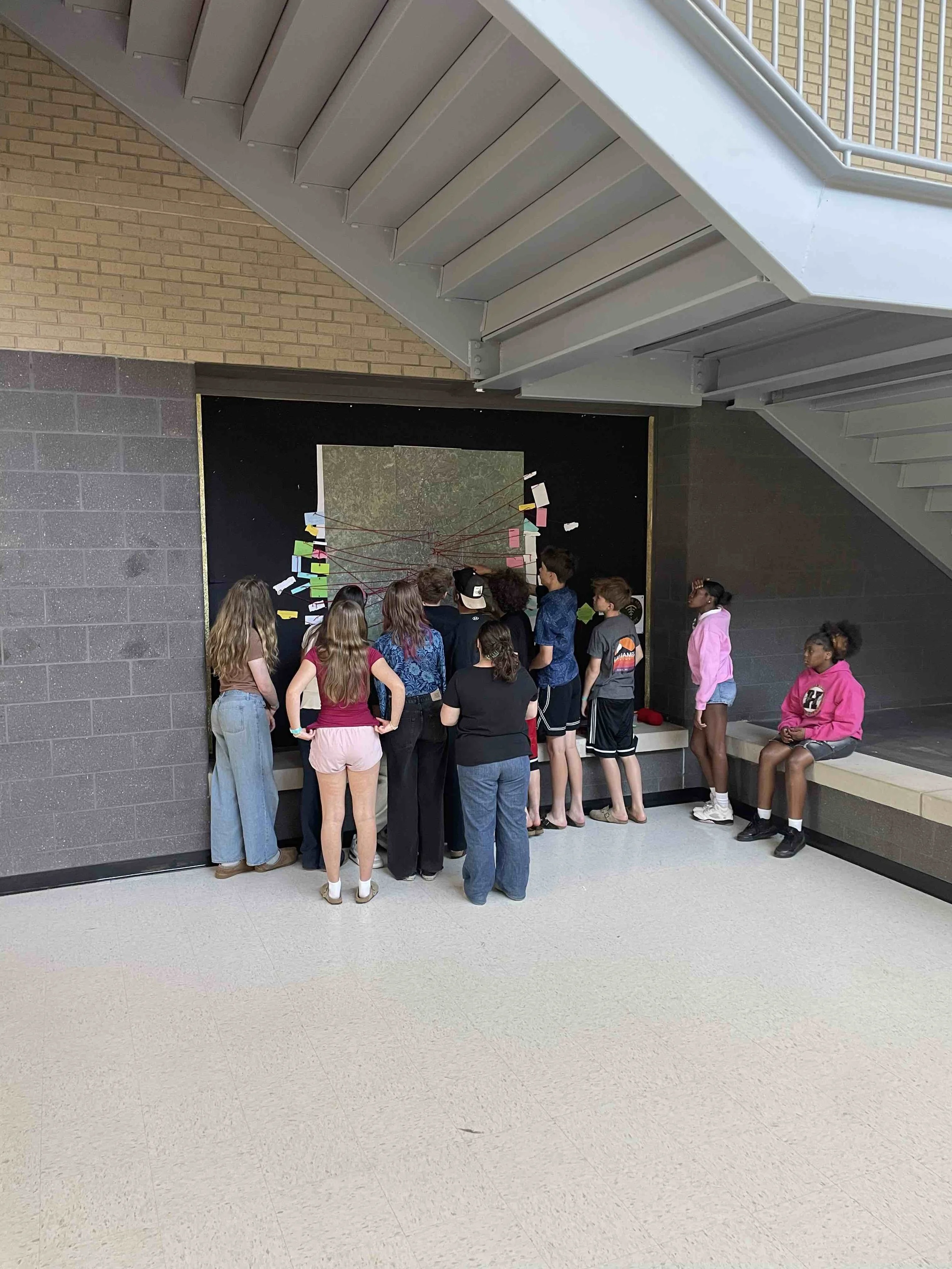
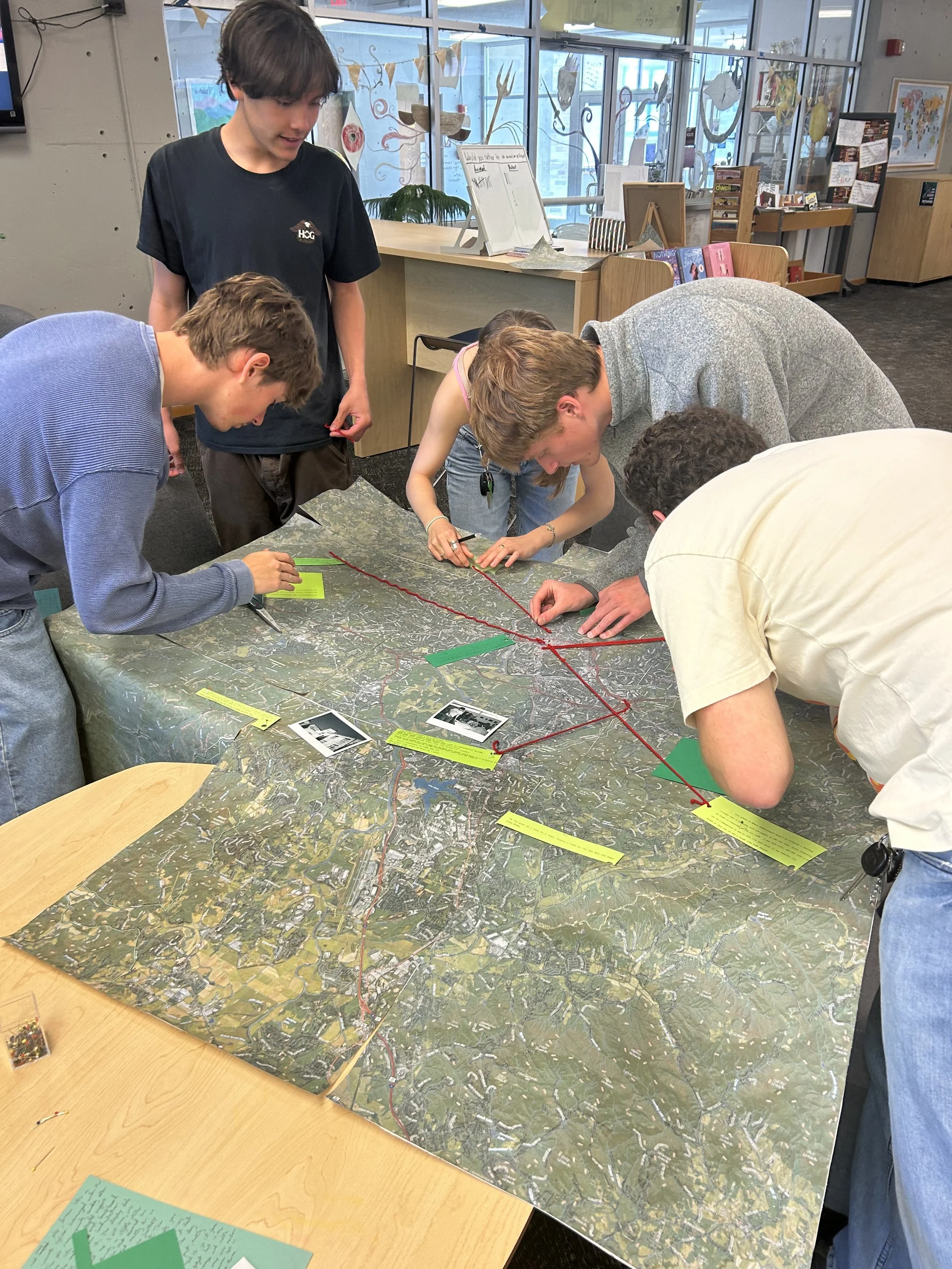
Elliot Reed is a novelist, educator, and founder of Offline Arts Institute, a new Asheville-based nonprofit organization dedicated to helping young people build creativity, executive functioning, and healthy digital habits by making art in a fully offline environment.
Elliot’s residency is highly customizable. He can facilitate the production and publication of a classroom textbook made for students by students, a newspaper, an instruction manual, or a labelled visual aid to hang on a classroom wall.
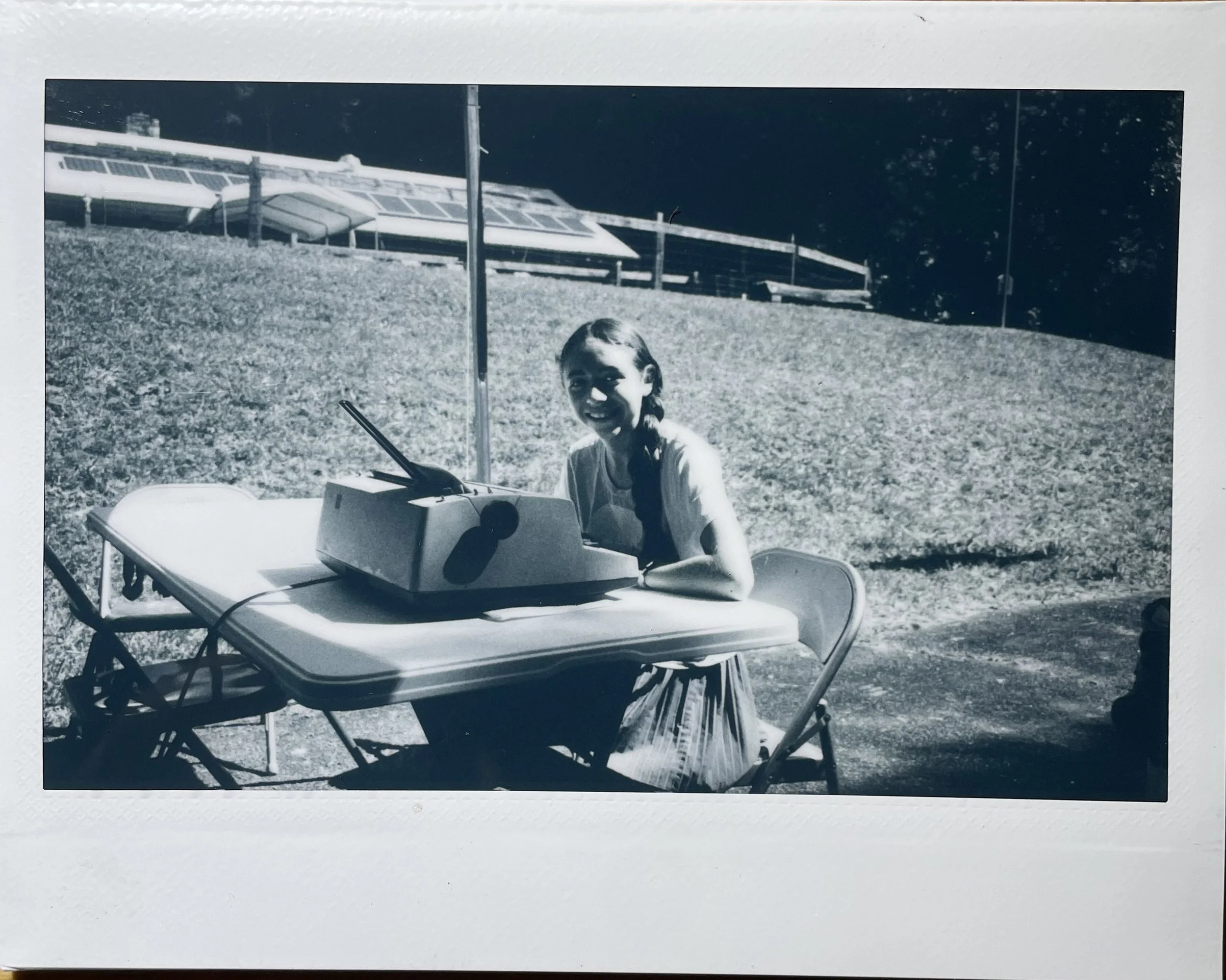
A graduate of the University of Florida's MFA program in Creative Writing and a nationally-acclaimed novelist, Elliot has spent more than a decade in the classroom. His Asheville appearances are famous for the typewriters—his collection is vast, and teens love to work on them. The Analog Publishing residency, offered through TAPAS, is a signature invention of the Offline Arts Institute. An Offline Arts Institute program puts students on typewriters, provides creative writing prompts, introduces photography through the instant (aka polaroid) camera, introduces sound recording on cassette tape and sound foraging on public radio, and teaches collage-centered graphic design. His residencies facilitate student-directed projects—in small groups or solo—that culminate in authentic publications created for real audiences.
Elliot's work is grounded in the belief that young people thrive when they have opportunities to make meaningful things in an offline environment together. Offline Arts Institute uses its collection of fascinating analog technologies to create productive alternatives to passive technology. OAI work fosters digital hygiene, builds creative confidence, and induces a stronger sense of belonging within communities.
RESIDENCY OFFERING: ANALOG PUBLISHING
An Offline Arts Institute Residency in Offline Publishing & Creative Placemaking
Grades 5–12
Projects are adapted to grade level, curriculum goals, and classroom needs.
Students become writers, photographers, interviewers, and designers as they work together to create an original publication documenting their classroom, school, family, or community. Groups can be small or the group can be the whole class—this depends on the judgement of the students and the teacher.
Using typewriters, cassette recorders, instant photography, collage, and traditional publishing techniques, students will experience the complete publishing process—from brainstorming and interviewing to editing, layout, production, and public presentation.
The residency emphasizes student choice and initiative. It demonstrated how analog creative practices can strengthen literacy, executive functioning, and healthy digital habits.
Residency Timeline:
Day 1
Introduction to Analog Publishing
Typewriter practice
Writing prompts
Interview techniques
Day 2
Typewriter practice
Principles of Photography
What is Oral History in Appalachia?
Audio recording on tape—in-class interviews
Day 3
Typewriter practice & copy production
Graphic design
Layout
Peer editing
Day 4
Production
Assembly
Cover design
Final editing
Day 5
Publication celebration
Student readings
Exhibition & Reflection
Learning Targets
Students will:
strengthen creative and expository writing skills
practice observation and artistic communication
strengthen executive functioning through offline problem solving
introduce healthy, non-digital modes of expression and communicatioon
practice sustaining a screen-free communication practice
contribute to a publication created for an authentic audience
experience the satisfaction of producing something tangible that can be held, shared, archived, and remembered